

Hair Transplant Treatment
Our Expertise. Know more about what we do
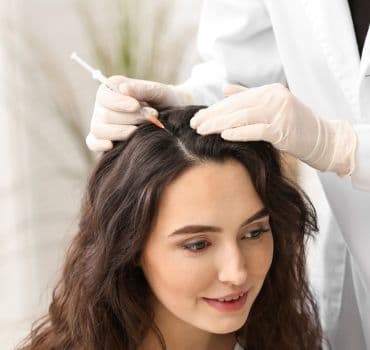
Hair Transplant Treatment
Hair transplantation is an advanced hair restoration treatment used to treat hair loss and baldness caused by androgenetic alopecia (male and female pattern baldness). The procedure involves transferring healthy hair follicles from a donor area of the scalp to areas affected by hair thinning or baldness. This treatment helps restore natural hair growth, improve hair density, and enhance overall appearance.
Hair transplant surgery is considered a safe, minimally invasive, and effective solution for permanent hair restoration. It can be performed for both men and women experiencing hair loss, helping them regain confidence and a more youthful look.
What Causes Hair Loss?
Hair loss can occur due to several factors, including:
-
Genetic factors (androgenetic alopecia)
-
Hormonal changes
-
Stress
-
Nutritional deficiencies
-
Medical conditions
-
Aging
-
Certain medications
A proper dermatological evaluation helps determine the cause of hair loss and identify the most suitable hair transplant treatment.
Types of Hair Transplant Techniques
Two commonly used techniques for hair transplantation are:
FUE (Follicular Unit Extraction)
Follicular Unit Extraction (FUE) is a modern and widely used hair transplant method. In this technique, individual hair follicles are extracted directly from the donor area of the scalp and transplanted into the bald or thinning areas.
Benefits of FUE Hair Transplant
-
No visible linear scar
-
Faster healing and recovery
-
Minimally invasive procedure
-
Natural-looking hair growth
FUT (Follicular Unit Transplantation)
Follicular Unit Transplantation (FUT) involves removing a thin strip of scalp from the donor area, usually at the back of the head. Hair follicles are then carefully extracted from this strip and implanted into the bald areas.
Benefits of FUT Hair Transplant
-
Suitable for large bald areas
-
Higher number of grafts in a single session
-
Effective for advanced hair loss
Both FUE and FUT techniques are effective hair restoration procedures, and the choice depends on the extent of hair loss, scalp condition, and patient preference.
Hair Transplant Procedure
Hair transplant surgery is typically a daycare procedure performed under local anesthesia. The procedure usually takes 6–10 hours, depending on the number of grafts required.
Steps Involved in Hair Transplant Surgery
-
Initial Consultation and Evaluation The dermatologist examines the scalp, assesses hair loss patterns, and determines the number of grafts needed.
-
Planning the Hairline Design A natural-looking hairline is designed based on the patient’s facial features.
-
Local Anesthesia The donor and recipient areas are numbed to ensure a painless procedure.
-
Extraction of Hair Grafts Hair follicles are carefully harvested from the donor area using the FUE or FUT technique.
-
Graft Preparation The harvested grafts are carefully handled and preserved to maintain their viability.
-
Implantation of Grafts The prepared grafts are implanted into the bald or thinning areas to create a natural hair pattern.
Advantages of Hair Transplant Treatment
Hair transplantation offers several benefits for individuals experiencing hair loss:
-
Permanent solution for hair loss
-
Natural-looking hair growth
-
Improved hair density and volume
-
Minimal downtime and quick recovery
-
Safe and effective procedure
-
Suitable for both men and women
With proper care and expert techniques, hair transplant procedures can provide long-lasting and natural results.
Recovery After Hair Transplant
Recovery after hair transplant surgery is usually quick and comfortable. Most patients can resume normal activities within a few days.
Important recovery guidelines include:
-
Avoid touching or scratching the transplanted area
-
Follow the dermatologist’s post-procedure care instructions
-
Avoid heavy physical activity for a few days
-
Use prescribed medications and shampoos as advised
Initial hair shedding may occur within the first few weeks, which is a normal part of the hair growth cycle. New hair growth typically begins 3–4 months after the procedure, with visible results improving over 6–12 months.
Why Choose Skinessence for Hair Transplant?
At Skinessence Clinic, we follow strict safety and hygiene standards to ensure safe and successful hair transplant procedures.
Our Key Advantages
-
Experienced dermatologist and hair transplant specialist
-
Advanced FUE and FUT hair transplant techniques
-
Personalized treatment plans
-
Transparent graft counting process
-
Strict sterilization and hygiene protocols
-
Patient-focused care and follow-up support
Our dermatologist, Dr. Anusha S, MD (Dermatology), FRGUHS (Dermatosurgery), has extensive experience in dermatology and hair restoration procedures, ensuring high-quality treatment and patient satisfaction.
We perform a detailed evaluation of hair loss patterns, graft requirements, and overall health before recommending the most suitable hair transplant technique.
Hair Transplant Cost
The cost of hair transplant treatment usually depends on the number of grafts required to cover the bald area. At Skinessence Clinic, graft counting is done transparently in front of the patient, ensuring ethical and fair treatment practices.
Scalp Micropigmentation (SMP) Treatment
Scalp Micropigmentation (SMP) is a non-surgical hair loss treatment that helps create the appearance of fuller hair. In this procedure, a series of tiny pigment dots are carefully applied to the scalp to replicate the look of natural hair follicles. These dots mimic closely shaved hair and help camouflage bald or thinning areas, giving the scalp a denser and more natural hairline appearance.
SMP works as a cosmetic hair restoration solution that effectively hides bald patches and creates the illusion of thicker hair. This treatment is suitable for men and women experiencing hair loss, regardless of age, hair color, skin type, or the cause of hair loss.