
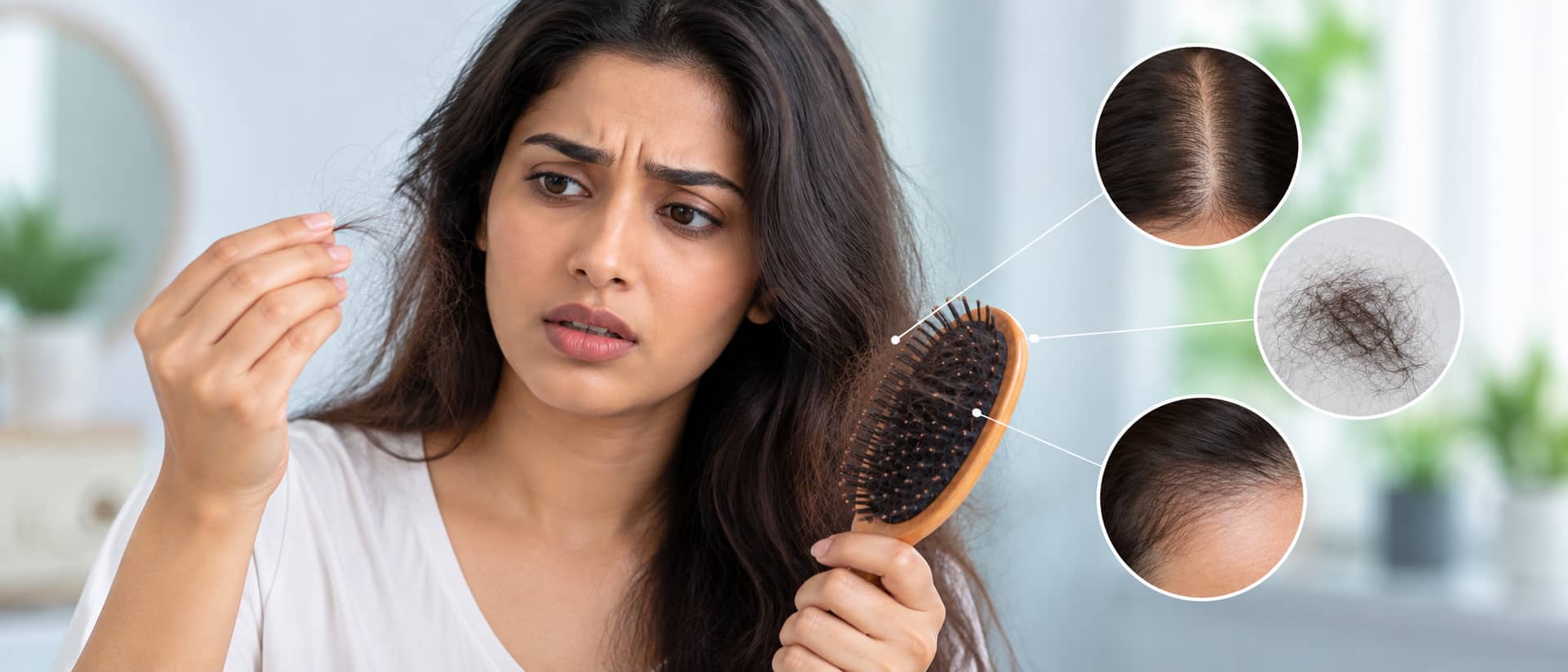
Seeing more hair than usual on your pillow, in the shower, or on your comb can be worrying. Hair fall is common, but when it becomes noticeable or continues for weeks or months, it is worth understanding what may be causing it. Hair loss is not always about using the wrong shampoo or having weak hair. Several factors, from stress and nutrition to hormones and genetics, can affect the hair growth cycle.
One common reason for excessive hair fall is stress. Physical or emotional stress, illness, major lifestyle changes, or lack of sleep can temporarily push more hair follicles into the shedding phase. This type of hair fall can sometimes appear a few months after the triggering event, which is why the cause may not always be obvious.
Nutrition can also play an important role. Low levels of iron, vitamin B12, vitamin D, protein, or other nutrients may contribute to hair thinning in some people. Crash diets, restrictive eating, and sudden weight loss can also affect healthy hair growth. If hair fall is persistent, a dermatologist may recommend appropriate blood tests rather than taking supplements without knowing whether you actually need them.
Hormonal changes are another common cause. Conditions such as thyroid disorders, PCOS, pregnancy, and the postpartum period can affect the hair cycle. Women may notice increased hair shedding after delivery, while some may experience hair thinning associated with hormonal conditions.
Genetics also matters. Androgenetic alopecia, commonly known as male or female pattern hair loss, can gradually cause thinning over time. In these cases, early attention is important because starting appropriate treatment sooner may help preserve existing hair.
Your scalp health should not be overlooked either. Dandruff, scalp inflammation, infections, or other scalp conditions can contribute to hair problems. Excessive heat styling, frequent chemical treatments, tight hairstyles, and repeated pulling can also damage the hair shaft and, in some cases, contribute to hair loss.
So, when should you see a dermatologist? If you are experiencing sudden or excessive hair fall, visible thinning, widening of the hair parting, bald patches, scalp itching or scaling, or hair loss that continues for several months, professional evaluation is a good idea.
The right hair fall treatment depends on the cause. A dermatologist may examine your scalp, understand your medical and lifestyle history, and recommend investigations when needed. Depending on the diagnosis, treatment may range from medical management and nutritional correction to advanced hair restoration options. Hair transplant treatment may be considered for suitable patients with certain types of permanent hair loss.
At Skinessence Clinic in Indiranagar, Bengaluru, hair fall concerns and scalp conditions are evaluated under dermatologist supervision, with treatment plans tailored to the individual's needs. The clinic also provides hair transplant treatment as part of its hair restoration services.
If your hair fall has started to feel different from your usual shedding, don't simply wait it out or rely on internet remedies. Understanding the reason behind the hair loss is the first step towards choosing the right treatment and protecting your hair health.
Skinessence Clinic, Indiranagar, Bengaluru, provides dermatologist-led skin and hair care with personalised treatment based on individual concerns.
©Copyright 2025 hi-soft All Rights Reserved